
12. April 2026
It's Breeding Season — and the Aviary Knows It
What's going on in the flights right now, and how I'm getting my mixed canaries set up for a successful season.
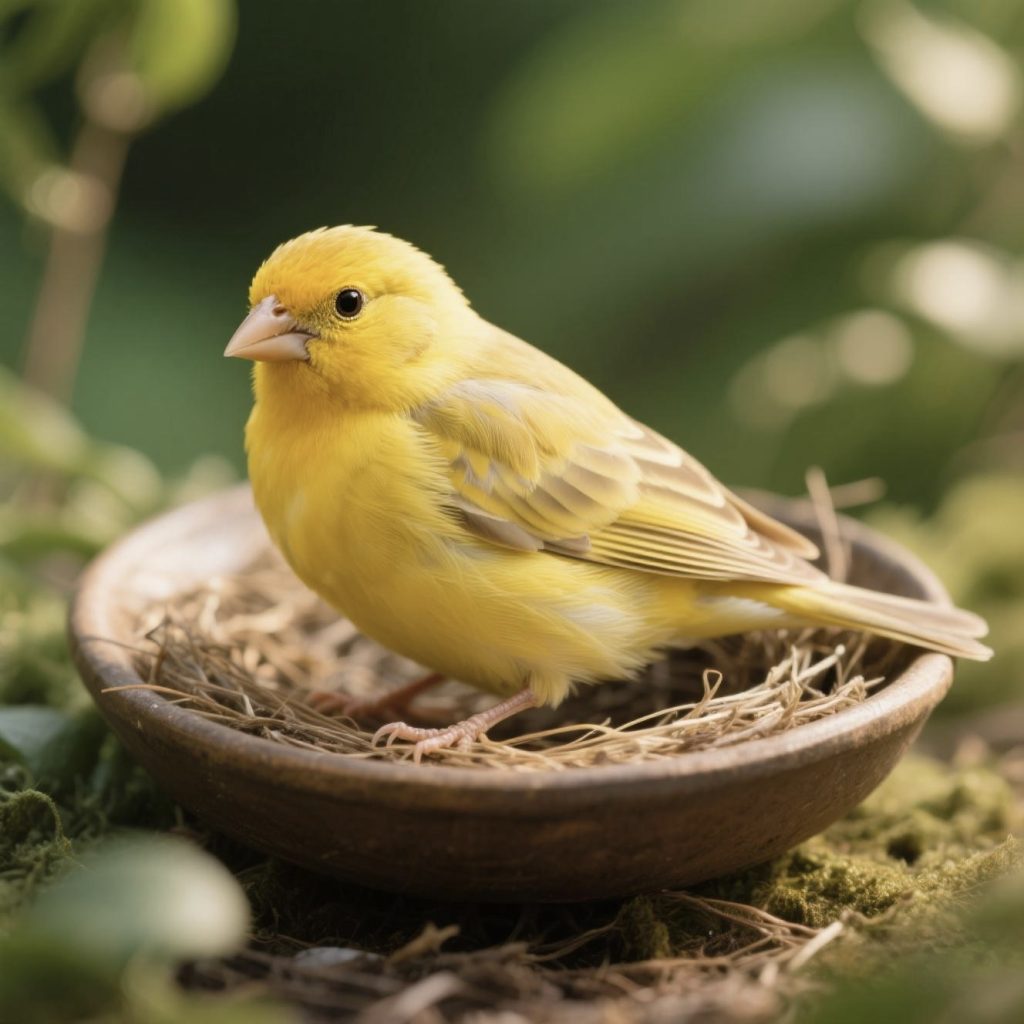
There's a particular kind of energy in an aviary at this time of year that's difficult to describe unless you've experienced it yourself. The cocks are in full song — relentless, territorial, glorious — and the hens are doing that restless thing where they tug at anything even remotely fibrous and look at you as if to say, so where are the nest pans, then? Spring has arrived, and in the canary room, breeding season is well and truly under way.
I keep a mixed collection of canaries — different varieties sharing the space — so this period is always a fascinating combination of observation, preparation, and careful management. Every year it's slightly different. Every year it teaches me something new.
What's happening in the aviary right now?
The most obvious change is the singing. By late March, the males are ramping up considerably — longer bouts, greater intensity, and a clear territorial edge to it all. If you watch closely, you'll notice the posturing too: wings dropped slightly, tail fanned, song directed pointedly at a nearby hen or rival male. It's courtship and competition rolled into one.
The hens, meanwhile, have become noticeably busier. They're moving with purpose, investigating corners, and pulling at loose threads on perches. This nest-building behaviour is one of the clearest indicators that the reproductive cycle is kicking in — driven by the lengthening daylight and rising temperatures that signal spring to their internal clocks.
In canaries, the breeding stimulus is primarily photoperiodic — it's the increasing day length, not temperature alone, that triggers the hormonal cascade initiating the reproductive cycle.
I've also noticed the hens beginning to solicit food from the males — a classic pre-copulatory behaviour. When you start seeing that, it's time to get everything in place if you haven't done so already.
Setting up for the season: what I'm doing
Breeding season doesn't simply happen on its own — it requires active support from the keeper. Here's what I've put in place across three key areas.
Lighting adjustments
I began gradually extending the light period from late January. Canaries respond to photoperiod cues very reliably, and a slow, incremental increase in light — mimicking the natural lengthening of the days — is far more effective, and far less stressful, than abrupt changes. I'm currently running around 14 hours of light per day, which sits comfortably within the optimal range for breeding condition in most varieties. I use a timer to keep it consistent; irregular light schedules can disrupt the reproductive cycle and cause hens to abandon nests or go off their eggs.
Nest pans and nesting materials
Plastic canary nest pans are now in place throughout the flights and breeding cages — positioned in sheltered corners away from draughts. I've put out a good variety of nesting materials: soft dried grass, coconut fibre, and finer material for lining the inner cup. The hens are already making their selections and getting quite territorial about their chosen spots, which is always an encouraging sign.
WHAT I'VE OBSERVED - Hens will often dismantle and rebuild a nest several times over before they're satisfied — this is entirely normal behaviour. Don't be tempted to intervene or tidy things up unless there's a hygiene concern. Let them build on their own terms.
I check nest security every day. A nest that tips or wobbles can cause eggs to roll and chill, or distress a sitting hen enough that she abandons the clutch altogether. A small amount of natural moss pressed lightly around the pan helps stabilise it and adds useful insulation.
Dietary changes: nutrition as a foundation
This is arguably the most important aspect of breeding preparation, and the area where I invest the most effort. Nutritional status has a direct bearing on fertility, egg quality, chick viability, and a hen's ability to sustain both incubation and rearing.
From around four weeks before the expected first egg, I've made the following changes to the diet:
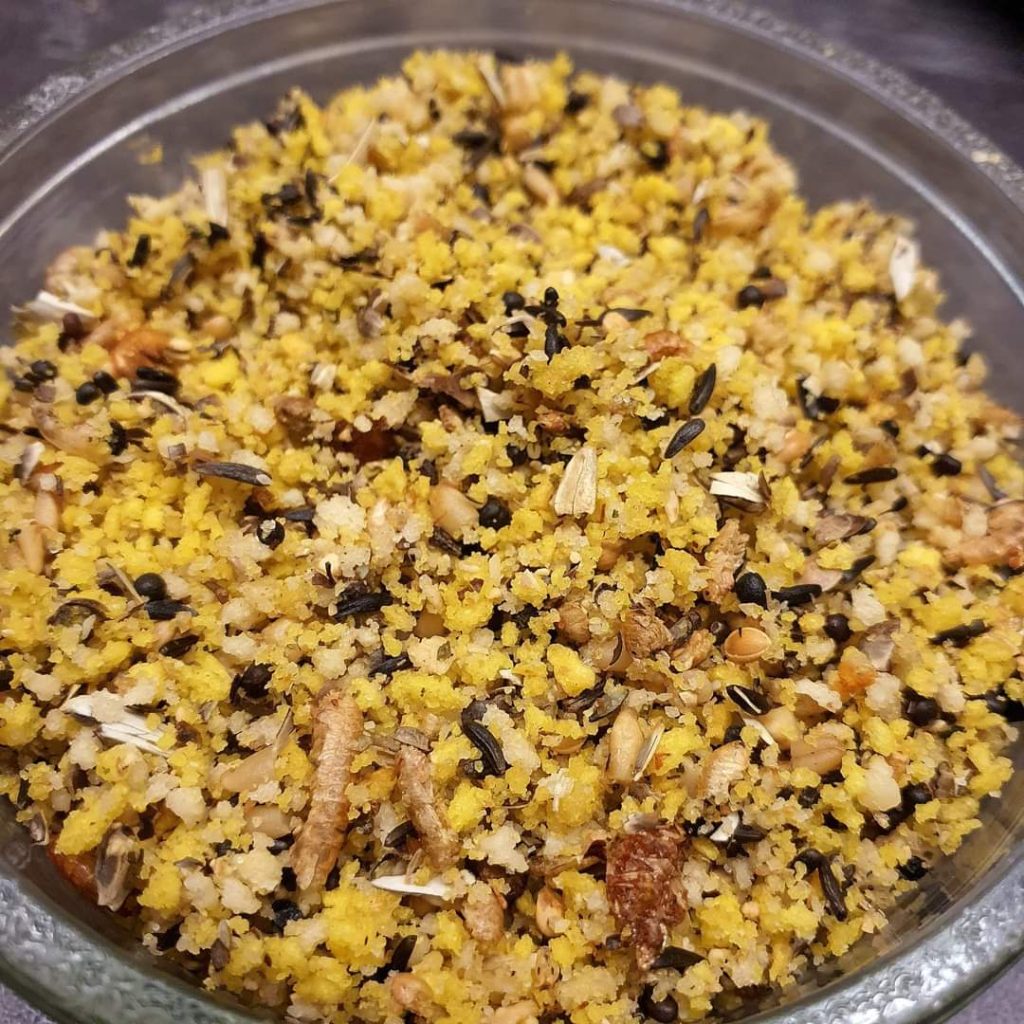
Egg food — offered daily, increasing in quantity as the season progresses. A good quality egg food provides protein and fat at levels that seed alone simply cannot match. During the rearing period this becomes especially critical, as growing chicks have enormous protein demands.
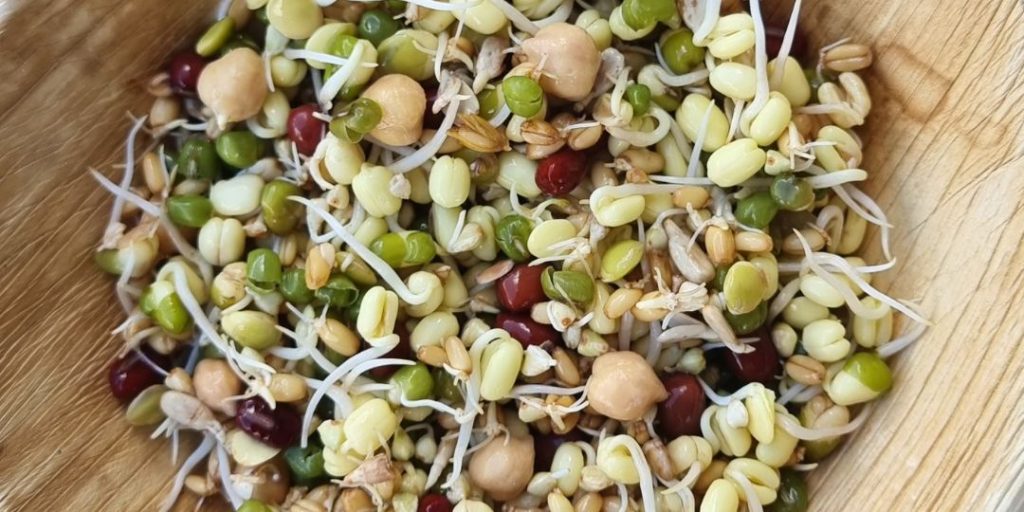
Soft food and green food — I'm offering fresh greens several times a week: chickweed, spinach, and sprouted seeds when I can get hold of them. Sprouted seeds are particularly useful because the sprouting process significantly increases bioavailable nutrients and introduces moisture, which most birds take to very readily. All greens are washed thoroughly before being offered.
Calcium supplementation — cuttlebone and a mineral block are always available, but I've also added a soluble calcium supplement to the water on alternate days. Egg production is enormously calcium-intensive; a hen depletes her reserves with every clutch, and without adequate calcium you risk soft-shelled eggs, egg binding, and long-term skeletal problems.
Good nutrition isn't just about the breeding season itself — it's about building condition in the weeks beforehand. Hens that go to nest already well-nourished produce stronger eggs and rear chicks more successfully.
What to expect next
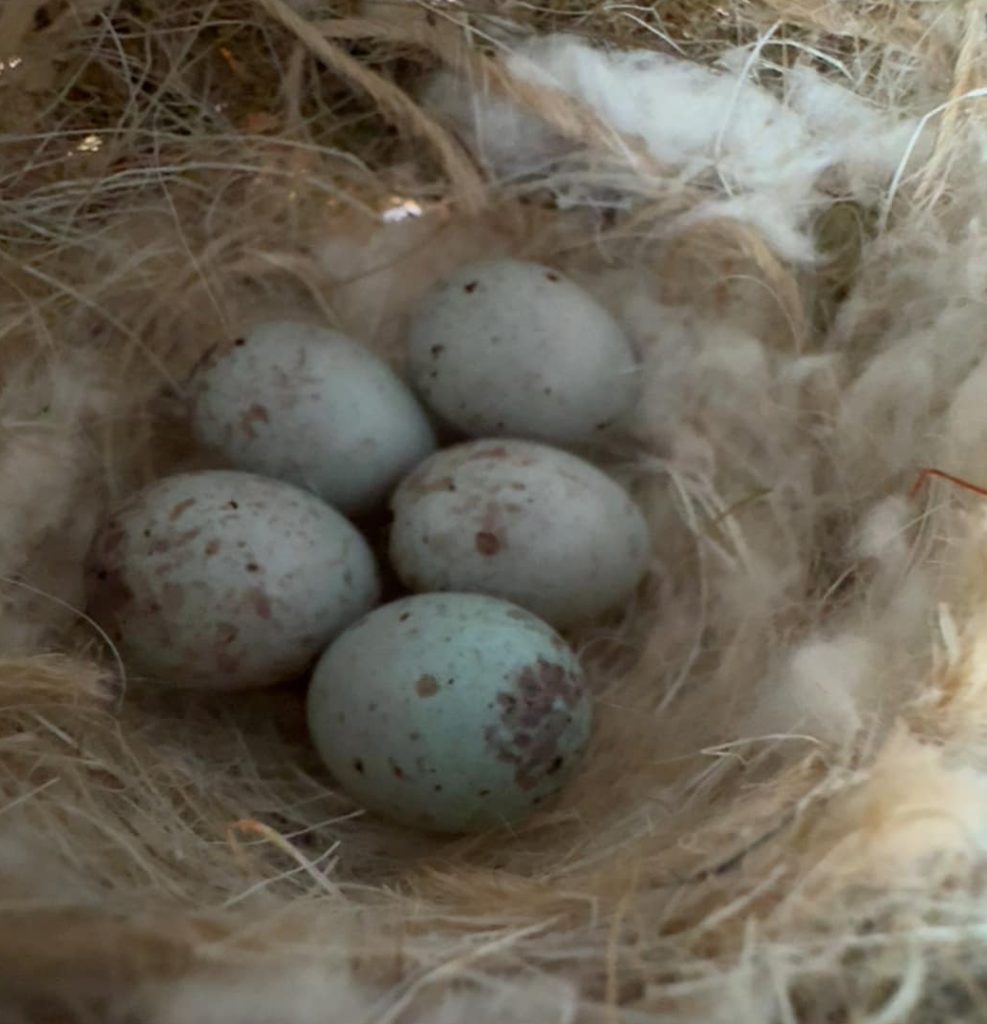
If things go to plan, I should be seeing first eggs hatching within the next week or so from the pairs furthest along in condition. Canaries typically lay one egg per day, usually in the morning, with clutches averaging between three and five eggs.
Incubation runs to around 13–14 days, after which — all being well — I'll have chicks. That's when the real work begins.
I'll be posting updates throughout the season as things progress — first eggs, first hatchlings, fledging, and the inevitable lessons learnt along the way. If you're keeping canaries and heading into your own breeding season, feel free to drop a question in the comments below. There's always something worth sharing.